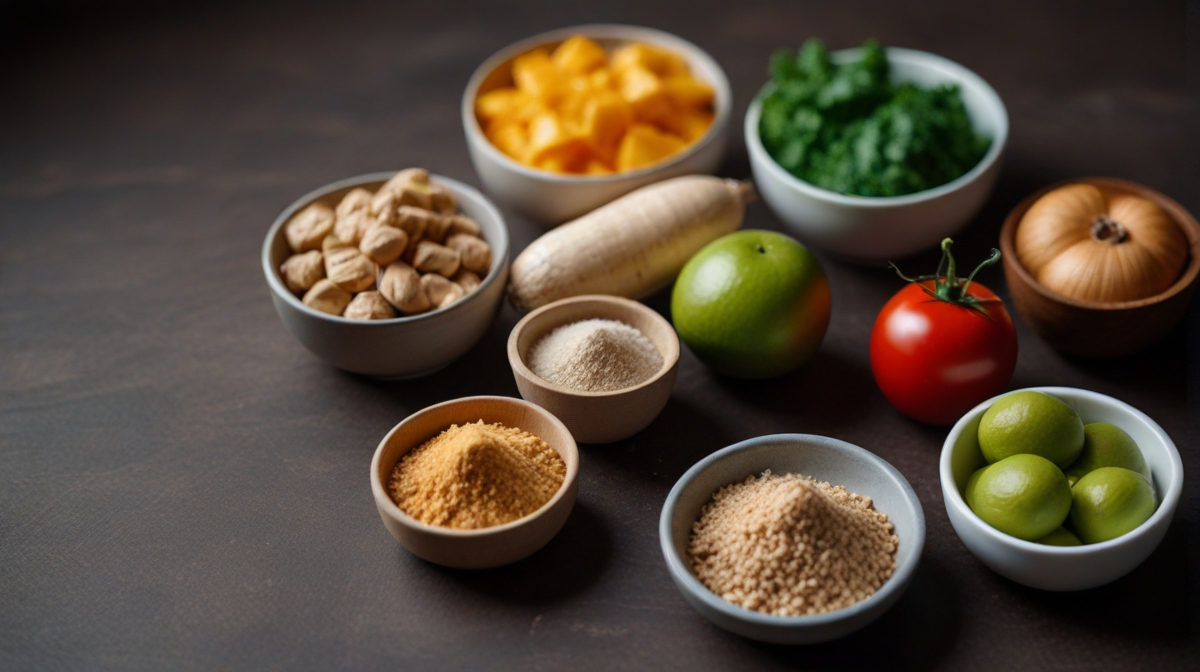
Ingredients for health boosts in everyday life are essential because they provide our bodies with the necessary nutrients, vitamins, and minerals to function optimally. Our daily diet plays a significant role in our overall health and well-being. By incorporating ingredients rich in nutrients such as fruits, vegetables, whole grains, lean proteins, and healthy fats, we can support various bodily functions, including immune function, digestion, energy levels, and mental clarity.
Additionally, consuming a diverse range of nutrient-dense foods helps to prevent nutrient deficiencies, which can lead to various health issues over time. For example, vitamin C boosts immune function, iron supports red blood cell production, calcium promotes bone health, and omega-3 fatty acids benefit heart health.
Furthermore, incorporating these ingredients into our daily meals can contribute to maintaining a healthy weight, reducing the risk of chronic diseases such as obesity, diabetes, and cardiovascular diseases. Overall, prioritizing ingredients for health boosts in everyday life is crucial for promoting longevity, vitality, and overall quality of life.
- Ginger:
Ginger is a flowering plant whose root is widely used as a spice and folk medicine. It has a spicy, pungent flavor and is often used fresh, dried, powdered, or as a juice or oil. Health benefits include:

- Anti-inflammatory properties: Ginger contains bioactive compounds that can help reduce inflammation in the body, potentially easing conditions like osteoarthritis.
- Digestive aid: Ginger is known to promote digestion by stimulating saliva flow and calming the digestive system, making it helpful for nausea, bloating, and indigestion.
- Immune booster: It’s rich in antioxidants and has antimicrobial properties, which may help strengthen the immune system and ward off infections.
- Cocoa butter:
Cocoa butter is the edible vegetable fat extracted from cocoa beans. It’s commonly used in cosmetics, pharmaceuticals, and food products. Health benefits include:
- Moisturizing properties: Cocoa butter is highly emollient, making it an excellent natural moisturizer for the skin. It helps hydrate and nourish dry skin, leaving it soft and supple.
- Rich in antioxidants: It contains compounds like polyphenols and flavonoids, which have antioxidant properties that can protect the skin from oxidative stress and premature aging.
- Potential heart health benefits: Some research suggests that the consumption of cocoa products, including cocoa butter, in moderation may have positive effects on heart health, such as improving blood flow and reducing blood pressure.
- Palm kernel oil:
Palm kernel oil is extracted from the seeds of the oil palm tree. It’s widely used in cooking and as an ingredient in various food products and cosmetics. Health benefits include:
- Source of healthy fats: Palm kernel oil is high in saturated fats, which are essential for the body’s energy production and hormone synthesis.
- Vitamin E content: It contains tocotrienols and tocopherols, which are forms of vitamin E with antioxidant properties that can help protect cells from damage caused by free radicals.
- Skin moisturization: When used topically, palm kernel oil can help moisturize and soften the skin, making it a common ingredient in lotions and creams.
- Gallstone:
Gallstones are hardened deposits that form in the gallbladder, a small organ located beneath the liver. While gallstones themselves don’t have health benefits, understanding their composition and formation can help prevent gallstone-related issues. They are primarily made of cholesterol or bilirubin, and health recommendations often involve:
- Dietary modifications: Consuming a diet low in cholesterol and saturated fats may help reduce the risk of gallstone formation.
- Maintaining a healthy weight: Obesity is a risk factor for gallstones, so maintaining a healthy weight through diet and exercise can help prevent their development.
- Hydration: Drinking an adequate amount of water daily may help prevent the formation of gallstones by keeping bile diluted and preventing the buildup of cholesterol and other substances.
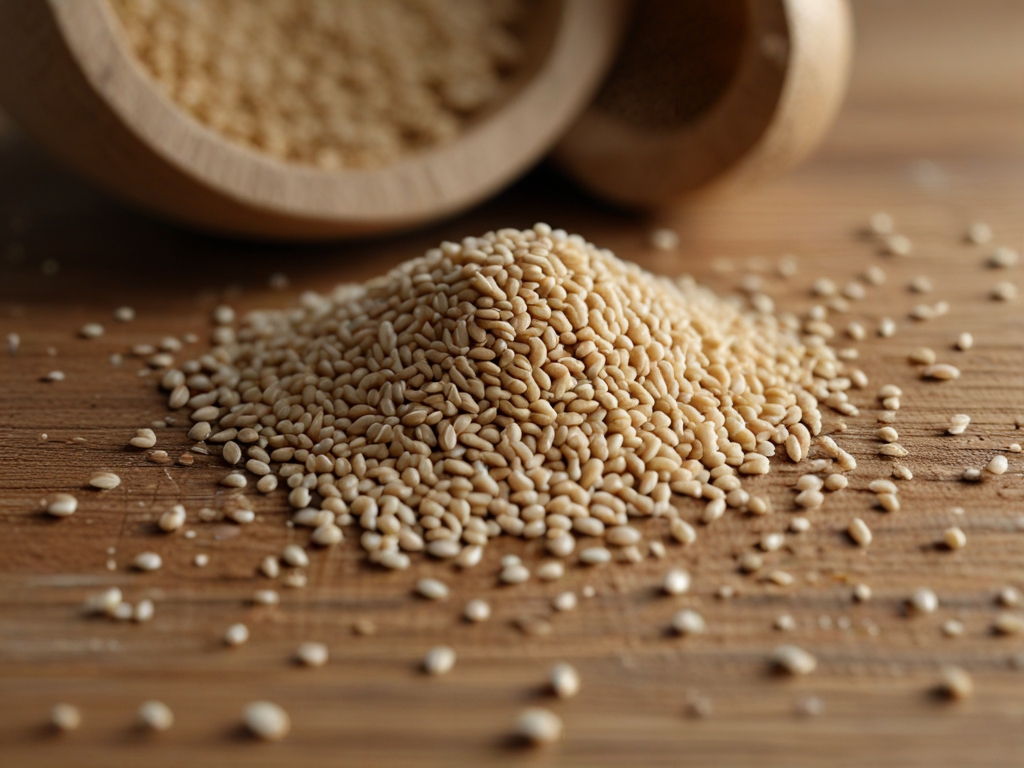
- Sesame seed:
Sesame seeds are tiny, oil-rich seeds derived from the sesame plant. They are a common ingredient in cuisines around the world and are also used for their oil and nutritional properties. Health benefits include:
- Nutrient-rich: Sesame seeds are packed with nutrients like protein, fiber, vitamins (B-complex vitamins and vitamin E), and minerals (calcium, magnesium, zinc).
- Heart health: The high content of unsaturated fats, particularly omega-6 fatty acids, may help reduce cholesterol levels and lower the risk of heart disease.
- Antioxidant properties: Sesame seeds contain antioxidants like sesamin and sesamol, which can help protect cells from oxidative damage and reduce inflammation in the body.
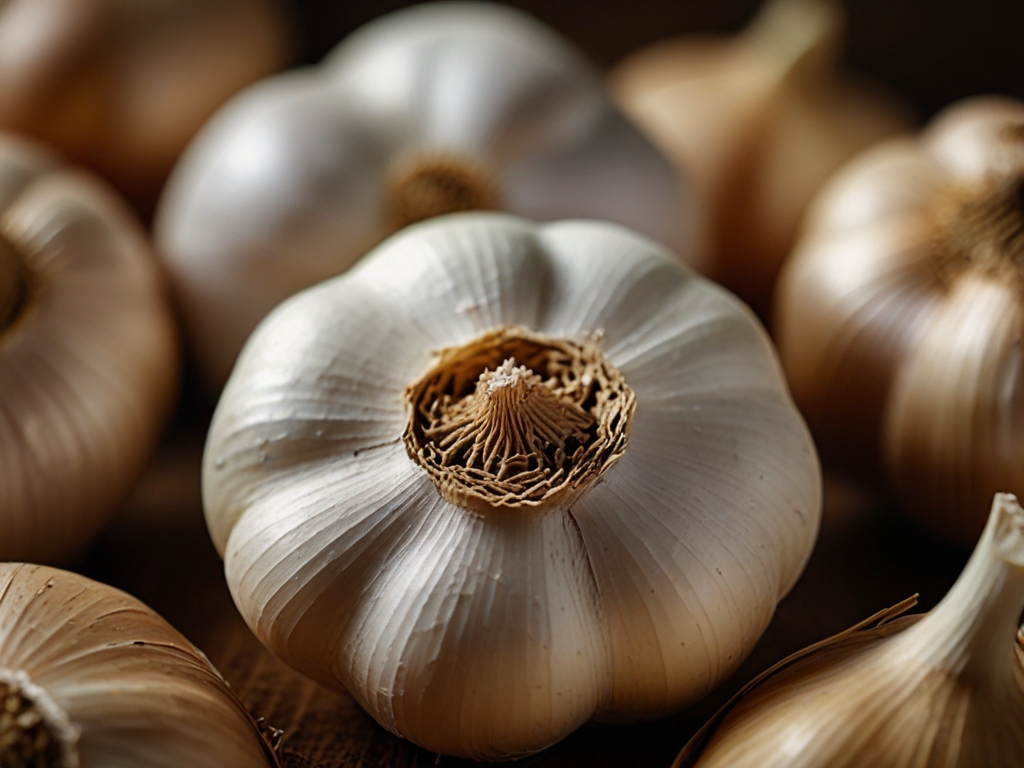
- Garlic:
Garlic is a bulbous plant closely related to onions, leeks, and shallots. It’s used as a flavoring agent in cooking and has been used for its medicinal properties for centuries. Health benefits include:
- Immune support: Garlic contains compounds like allicin, which have antimicrobial and antiviral properties that can help boost the immune system and fight off infections.
- Heart health: Studies suggest that garlic may help lower blood pressure, reduce cholesterol levels, and improve circulation, which can reduce the risk of heart disease.
- Antioxidant effects: Garlic is rich in antioxidants that can neutralize free radicals and reduce oxidative stress, potentially lowering the risk of chronic diseases like cancer and Alzheimer’s.
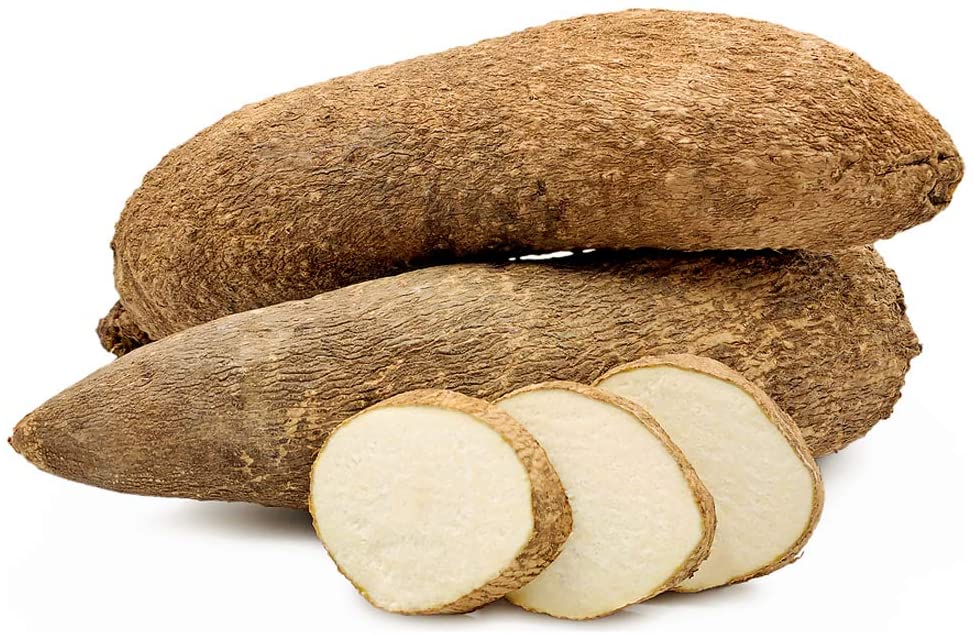
- Yam tubers:
Yam is a starchy tuberous root vegetable that is a staple food in many parts of the world. It’s rich in carbohydrates and provides various vitamins and minerals. Health benefits include:
- Rich source of carbohydrates: Yam is an excellent source of complex carbohydrates, which provide sustained energy and help maintain stable blood sugar levels.
- Dietary fiber: It contains soluble and insoluble fiber, which promote digestive health, prevent constipation, and may reduce the risk of colon cancer.
- Nutrient content: Yams are rich in vitamins like vitamin C, vitamin B6, and minerals like potassium and manganese, which are essential for overall health and well-being.
- Charcoal:
Charcoal is a porous black solid formed by burning wood or other organic matter in the absence of oxygen. It’s commonly used for cooking, heating, and as an ingredient in various products, including cosmetics and medicine. Health benefits include:
- Detoxification: Activated charcoal is used in medicine and emergency treatment to absorb toxins and chemicals in the digestive tract, helping to prevent their absorption into the body.
- Skin purification: Charcoal is often used in skincare products like masks and cleansers to draw out impurities, excess oil, and toxins from the skin, leaving it clean and refreshed.
- Oral health: Some toothpaste and oral care products contain charcoal for its purported ability to whiten teeth and remove stains, although more research is needed to confirm its effectiveness.
- Cotton:
Cotton is a soft, fluffy fiber that grows around the seeds of the cotton plant. It’s one of the most widely used natural fibers in the world, prized for its breathability, comfort, and versatility. While cotton itself doesn’t have direct health benefits, its use in clothing and textiles contributes to:
- Comfort: Cotton fabrics are soft, lightweight, and breathable, making them comfortable to wear, especially in hot or humid climates.
- Hypoallergenic properties: Cotton is naturally hypoallergenic and less likely to cause skin irritation or allergic reactions compared to synthetic fibers.
- Moisture absorption: Cotton fibers can absorb moisture away from the skin, keeping you dry and comfortable, which is particularly beneficial for activewear and undergarments.
- Cassava flour: Cassava flour is a gluten-free flour made from the dried and ground roots of the cassava plant. It’s a common ingredient in gluten-free baking and cooking and offers several health benefits:
- Gluten-free alternative: Cassava flour is naturally gluten-free, making it suitable for people with celiac disease or gluten intolerance who need to avoid wheat and other gluten-containing grains.
Nutrient content: It contains vitamins like vitamin C and vitamin B-complex, as well as minerals like potassium and manganese, which are essential for various bodily functions.
– Low glycemic index: Cassava flour has a lower glycemic index compared to wheat flour, meaning it doesn’t cause spikes in blood sugar levels, making it a better option for managing blood sugar and insulin levels.

- Cashew Nuts:
Cashew nuts are kidney-shaped nuts that grow on the cashew tree. They are consumed worldwide as a snack or used as an ingredient in various culinary dishes. Health benefits include: - Honey:
Honey is a sweet, viscous liquid produced by bees from the nectar of flowers. It’s used as a natural sweetener and has been used for its medicinal properties for centuries. Health benefits include: - Shrimps:
Shrimp are small, shellfish crustaceans that are widely consumed as seafood. They are low in calories and fat but rich in protein and nutrients. Health benefits include:- High protein content: Shrimp are an excellent source of high-quality protein, which is essential for muscle growth, repair, and maintenance.
- Low in saturated fat: They are low in saturated fat and calories, making them a healthy option for people looking to manage their weight or reduce their intake of unhealthy fats.
- Rich in nutrients: Shrimp contain various vitamins and minerals, including vitamin D, vitamin B12, iodine, and selenium, which are important for overall health and well-being.
- Snail:
Snails are mollusks with a spiral shell that are consumed as food in many cultures around the world. They are low in fat and calories but rich in protein and nutrients. Health benefits include:- High protein content: Snails are a good source of lean protein, which is essential for muscle growth, repair, and maintenance.
- Rich in iron: They contain iron, which is important for the production of red blood cells and the prevention of iron-deficiency anemia.
- Omega-3 fatty acids: Snails contain omega-3 fatty acids, which have anti-inflammatory properties and are important for heart health and brain function.
- Chili pepper:
Chili peppers are the fruits of plants from the genus Capsicum. They are widely used as a spice to add heat and flavor to culinary dishes. Health benefits include:- Pain relief: Capsaicin, the compound that gives chili peppers their heat, has been shown to have analgesic properties and can help reduce pain by inhibiting the transmission of pain signals in the body.
- Metabolism booster: Consuming chili peppers may temporarily increase metabolism and promote fat burning due to their thermogenic effects, although the effect is modest and varies among individuals.
- Rich in vitamins: Chili peppers are high in vitamins A and C, as well as other antioxidants, which can help boost the immune system and protect cells from damage caused by free radicals.
- Fruit Juice:
Fruit juice is the liquid extracted from fruits, either by squeezing or pressing. It’s consumed worldwide as a refreshing beverage and can provide various health benefits depending on the fruits used. Some general health benefits of fruit juice include:- Vitamin and mineral content: Fruit juice is rich in vitamins (such as vitamin C, vitamin A, and folate) and minerals (including potassium, magnesium, and calcium), which are essential for overall health and well-being.
- Hydration: Fruit juice is an excellent source of hydration, especially during hot weather or after exercise, as it provides fluids and electrolytes to replenish lost nutrients.
- Antioxidant properties: Many fruits used to make juice contain antioxidants, which can help protect cells from damage caused by free radicals and reduce the risk of chronic diseases like heart disease and cancer.
- Antimicrobial properties: Honey has natural antibacterial properties due to its low pH, high sugar content, and the presence of hydrogen peroxide, which can help prevent infections and promote wound healing.
- Soothing effects: It has anti-inflammatory properties and can help soothe sore throats and coughs when consumed or used in throat lozenges and teas.
- Antioxidant content: Honey contains antioxidants like flavonoids and phenolic compounds, which can help protect cells from damage caused by free radicals and reduce the risk of chronic diseases like cancer and heart disease.
- Heart health: Cashew nuts are rich in monounsaturated and polyunsaturated fats, which can help lower LDL cholesterol levels and reduce the risk of heart disease.
- Nutrient dense: They are a good source of protein, healthy fats, vitamins (such as vitamin E, K, and B vitamins), and minerals (including magnesium, zinc, and iron).
Leave a Reply