
1. What are the most painful aspects of childbirth?
Childbirth is often described as one of the most excruciating experiences a woman can endure. The most painful aspects of childbirth include:
- Contractions: As labor progresses, uterine contractions become increasingly intense and frequent, causing severe pain in the abdomen, back, and groin area.
- Cervical dilation: The cervix must dilate to approximately 10 centimeters to allow the baby to pass through the birth canal. This process can be incredibly painful, especially in the later stages.
- Delivery: The actual delivery of the baby through the birth canal is often the most painful part of childbirth. The stretching and tearing of the vaginal tissues can cause excruciating pain, and the pressure of the baby’s head emerging can be overwhelming.
- Afterbirth: The delivery of the placenta, known as the afterbirth, can also be painful, as the uterus continues to contract to expel it.
While modern medicine offers pain relief options such as epidurals and other medications, many women still experience significant discomfort and pain during childbirth.
2. What are the risks of tearing during childbirth?

Vaginal tearing is a common occurrence during childbirth, and it can range from minor to severe. The risks of tearing during childbirth include:
- Perineal tears: These are tears that occur in the area between the vagina and the anus (perineum). Perineal tears can be classified into four degrees, with fourth-degree tears being the most severe, involving the anal sphincter muscle.
- Episiotomy: An episiotomy is a surgical incision made in the perineum to widen the vaginal opening during delivery. While it was once a routine procedure, episiotomies are now performed only when necessary to prevent severe tearing.
- Bleeding: Tearing can lead to excessive bleeding, which can be life-threatening if not properly managed.
- Infection: Open wounds from tearing are susceptible to infection, which can cause complications for both the mother and the baby.
- Pain and discomfort: Tearing can cause significant pain and discomfort during the postpartum period, making it difficult for the mother to sit, walk, or care for the baby.
Proper prenatal care, guided pushing techniques, and perineal massage can help reduce the risk of tearing during childbirth.
3. What are the potential complications of Cesarean sections?

Cesarean sections, or C-sections, are surgical procedures in which the baby is delivered through an incision in the mother’s abdomen and uterus. While C-sections can be lifesaving in certain situations, they also carry potential complications, including:
- Infection: The surgical incision site and the uterus are susceptible to infection, which can lead to fever, pain, and other complications.
- Bleeding: Excessive bleeding during or after the procedure can occur, potentially requiring a blood transfusion.
- Blood clots: Women who undergo C-sections are at an increased risk of developing blood clots, which can be life-threatening if not properly treated.
- Injury to surrounding organs: In rare cases, the bladder, bowel, or other organs near the uterus can be injured during the surgery.
- Increased risk of complications in future pregnancies: Women who have had a C-section are at a higher risk of placental problems, uterine rupture, and other complications in subsequent pregnancies.
Additionally, recovery from a C-section can be longer and more difficult compared to a vaginal delivery, as the abdominal muscles and incision site need time to heal.
4. What are the potential long-term effects of pregnancy and childbirth?

Pregnancy and childbirth can have long-lasting effects on a woman’s body and health. Some potential long-term effects include:
- Pelvic floor disorders: Pregnancy and vaginal delivery can weaken the pelvic floor muscles, leading to conditions such as urinary incontinence, pelvic organ prolapse, and sexual dysfunction.
- Postpartum depression: Many women experience mood disorders, such as postpartum depression, after giving birth. Without proper treatment, these conditions can have long-lasting effects on the mother’s mental health and well-being.
- Gestational diabetes: Women who develop gestational diabetes during pregnancy are at an increased risk of developing type 2 diabetes later in life.
- Scarring: Cesarean sections and episiotomies can leave permanent scarring, which can cause discomfort and potential complications in future pregnancies.
- Incontinence: Both vaginal and cesarean deliveries can damage the pelvic floor muscles, leading to urinary or fecal incontinence.
Regular check-ups, pelvic floor exercises, and prompt treatment of any issues can help mitigate the long-term effects of pregnancy and childbirth.
5. What are the potential complications of placental issues?

The placenta plays a crucial role in providing oxygen and nutrients to the developing baby during pregnancy. However, placental issues can arise and lead to serious complications, including:
- Placental abruption: This occurs when the placenta partially or completely separates from the uterine wall before delivery, causing severe bleeding and potential life-threatening complications for both the mother and the baby.
- Placenta previa: In this condition, the placenta partially or completely covers the cervix, increasing the risk of severe bleeding during pregnancy and delivery.
- Placental insufficiency: This occurs when the placenta is unable to provide adequate oxygen and nutrients to the baby, leading to potential growth restrictions and other complications.
- Retained placenta: In some cases, the placenta may not detach from the uterine wall after delivery, requiring medical intervention to remove it.
- Placenta accreta: This is a serious condition where the placenta becomes abnormally attached to the uterine wall, increasing the risk of severe bleeding and potentially requiring a hysterectomy.
Regular prenatal care and monitoring can help detect placental issues early and allow for appropriate management and treatment.
6. What are the potential complications of preeclampsia?

Preeclampsia is a pregnancy complication characterized by high blood pressure and signs of damage to other organ systems, such as the kidneys. If left untreated, preeclampsia can lead to serious complications for both the mother and the baby, including:
- Eclampsia: This is a life-threatening condition where preeclampsia progresses to seizures, which can cause coma and brain damage.
- Placental abruption: Preeclampsia increases the risk of placental abruption, where the placenta separates from the uterine wall, causing severe bleeding and potential fetal distress.
- Premature birth: Preeclampsia may necessitate early delivery to protect the health of the mother and baby, leading to potential complications associated with preterm birth.
- Organ damage: Preeclampsia can cause damage to the liver, kidneys, and other organs, potentially leading to long-term health issues.
- Stroke or seizures: In severe cases, preeclampsia can cause strokes or seizures in the mother, which can be life-threatening.
Regular prenatal care, monitoring of blood pressure, and prompt treatment are essential for managing preeclampsia and preventing severe complications.
7. What are the potential complications of postpartum hemorrhage?
Postpartum hemorrhage (PPH) is excessive bleeding after childbirth, which can occur immediately after delivery or up to several weeks later. Potential complications of PPH include:
8. What are the potential risks of breastfeeding complications?

While breastfeeding is generally considered the healthiest option for both mother and baby, complications can arise that may pose risks to the well-being of both parties. Some potential risks of breastfeeding complications include:
- Mastitis: This is an inflammation of the breast tissue, often caused by a blocked milk duct or bacterial infection. Mastitis can be extremely painful and may require antibiotic treatment.
- Nipple pain and damage: Improper latching or positioning during breastfeeding can lead to cracked, bleeding, or severely damaged nipples, making it difficult and painful to continue nursing.
- Low milk supply: Various factors, such as hormonal imbalances, stress, or underlying health conditions, can contribute to a low milk supply, making it challenging to provide adequate nutrition for the baby.
- Thrush: This is a fungal infection that can affect both the baby’s mouth and the mother’s breasts, causing severe discomfort and potentially leading to early weaning if left untreated.
- Dehydration and malnutrition (for the mother): Breastfeeding requires a significant amount of energy and nutrients, and if the mother’s diet is inadequate or she is not drinking enough fluids, it can lead to dehydration and malnutrition.
It is essential for new mothers to seek professional support and guidance from lactation consultants or healthcare providers to address any breastfeeding complications promptly and ensure the well-being of both mother and baby.
9. What are the potential risks of postpartum depression?

Postpartum depression (PPD) is a serious mood disorder that can occur after childbirth, affecting both the mother and the entire family. The potential risks of postpartum depression include:
- Impaired bonding with the baby: PPD can make it difficult for the mother to form a strong emotional connection with her newborn, potentially affecting the child’s emotional and social development.
- Difficulty with daily tasks: Women suffering from PPD may struggle with basic daily tasks, such as caring for the baby, maintaining household responsibilities, or even caring for themselves.
- Relationship strain: PPD can put a significant strain on the mother’s relationships with her partner, family members, and friends, potentially leading to isolation and further emotional distress.
- Suicidal thoughts or behavior: In severe cases, postpartum depression can lead to suicidal ideation or behavior, putting the mother’s life at risk.
- Long-term mental health issues: If left untreated, PPD can persist for an extended period, increasing the risk of developing other mental health conditions, such as anxiety disorders or chronic depression.
Early recognition and treatment of postpartum depression are crucial for the well-being of both the mother and the baby. Support from healthcare professionals, family, and support groups can help manage and overcome PPD.
10. What are the potential long-term effects of birth injuries on the baby?

Birth injuries can occur during the labor and delivery process, potentially leading to long-term effects on the baby’s health and development. Some potential long-term effects of birth injuries include:
- Cerebral palsy: Injuries to the brain during birth, such as oxygen deprivation or physical trauma, can lead to cerebral palsy, a condition that affects movement, muscle tone, and coordination.
- Brachial plexus injuries: Damage to the network of nerves that supply the arms and hands can result in limited mobility, weakness, or paralysis of the affected limb.
- Developmental delays: Birth injuries, particularly those involving the brain, can lead to delays in reaching developmental milestones, such as speech, motor skills, or cognitive abilities.
- Physical disabilities: Depending on the nature and severity of the injury, the baby may experience long-term physical disabilities, such as paralysis, impaired vision or hearing, or difficulties with movement and coordination.
- Emotional and behavioral issues: Birth injuries that affect the brain can sometimes lead to emotional and behavioral challenges, such as difficulties with social interaction, attention, or impulse control.
Early intervention, therapy, and ongoing medical care are crucial for managing the long-term effects of birth injuries and supporting the child’s overall development and quality of life.
| Complication | Description | Potential Risks/Effects |
|---|---|---|
| Painful contractions | Intense uterine contractions during labor | Severe pain, discomfort |
| Tearing/Episiotomy | Tearing of perineal tissues during delivery | Bleeding, infection, pain, discomfort |
| Cesarean section | Surgical delivery of the baby | Infection, bleeding, organ injury, future pregnancy complications |
| Placental issues | Problems with the placenta | Severe bleeding, oxygen/nutrient deprivation for the baby |
| Preeclampsia | High blood pressure and organ damage | Eclampsia, placental abruption, premature birth, organ damage |
| Postpartum hemorrhage | Excessive bleeding after delivery | Shock, organ failure, death |
| Breastfeeding complications | Issues related to breastfeeding | Mastitis, nipple pain, low milk supply, thrush, dehydration/malnutrition |
| Postpartum depression | Mood disorder after childbirth | Impaired bonding, difficulty with daily tasks, relationship strain, suicidal thoughts |
| Birth injuries | Injuries sustained during labor/delivery | Cerebral palsy, paralysis, developmental delays, physical disabilities |
Stages of Pregnancy

Pregnancy is divided into three trimesters, each lasting approximately 13-14 weeks.
First Trimester (Weeks 1-12):
- This is when the baby’s major organs and systems begin to develop.
- Common symptoms include morning sickness, fatigue, breast tenderness, and frequent urination.
- Prenatal care and screening tests are essential during this trimester.
Second Trimester (Weeks 13-27):
- Many women experience relief from morning sickness and increased energy levels.
- The baby’s movements become more noticeable, and major developments occur.
- Prenatal screenings for potential complications are typically performed.
Third Trimester (Weeks 28-40):
- The baby continues to grow rapidly, and the mother may experience discomforts like backaches, swelling, and frequent urination.
- Preparations for labor and delivery are made, including childbirth classes and creating a birth plan.
- Regular check-ups and monitoring for potential complications are crucial.
Prenatal Care

Prenatal care is essential for monitoring the health of both the mother and the baby throughout pregnancy. It typically includes regular check-ups, screenings, and tests, such as:
- Blood tests to check for any deficiencies or infections
- Ultrasounds to monitor the baby’s growth and development
- Screening tests for genetic disorders or birth defects
- Monitoring of weight gain, blood pressure, and other vital signs
- Education on nutrition, exercise, and preparing for childbirth
Attending all scheduled prenatal appointments and following your healthcare provider’s recommendations are crucial for a healthy pregnancy and delivery.
Nutrition and Exercise

Proper nutrition and regular, low-impact exercise are essential for the well-being of both the mother and the baby during pregnancy.
Nutrition:
- Eat a balanced diet rich in fruits, vegetables, whole grains, and lean proteins.
- Take prenatal vitamins as recommended by your healthcare provider.
- Stay hydrated by drinking plenty of fluids, especially water.
- Avoid certain foods that may pose risks, such as raw or undercooked meats, unpasteurized dairy products, and certain types of fish high in mercury.
Exercise:
- Regular, low-impact exercises like walking, swimming, or prenatal yoga can help maintain fitness and prepare for childbirth.
- Exercise can also alleviate discomforts like backaches and constipation.
- Consult your healthcare provider for guidance on safe exercise routines and any limitations based on your individual circumstances.
Preparing for Labor and Delivery

As the due date approaches, it’s essential to prepare for labor and delivery. This may include:
- Taking childbirth education classes to learn about the labor process, pain management techniques, and coping strategies.
- Creating a birth plan that outlines your preferences for pain relief, interventions, and other aspects of your delivery.
- Packing a hospital bag with essentials for both you and your baby.
- Arranging for a support person (partner, family member, or friend) to accompany you during labor and delivery.
- Discussing any specific concerns or questions with your healthcare provider.
Remember, every pregnancy and delivery is unique, and it’s crucial to remain flexible and open to adjustments as needed, prioritizing the health and safety of both you and your baby.
Labor and Delivery Process
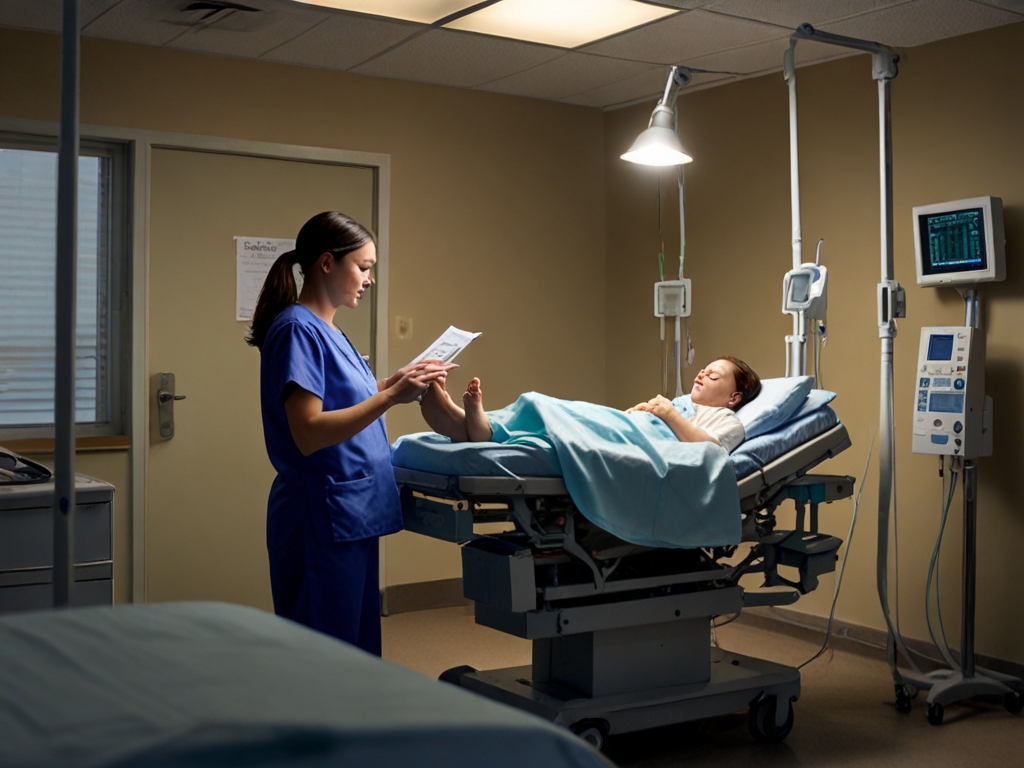
Labor is divided into three stages, and understanding what to expect during each stage can help you feel more prepared and in control.
First Stage: Early Labor and Active Labor
- Early labor can last several hours or even days, with mild contractions that gradually become more frequent and intense.
- During active labor, contractions become stronger, longer, and closer together, accompanied by other signs like water breaking or bloody show.
- This stage involves the gradual dilation (opening) of the cervix to allow the baby to descend into the birth canal.
Second Stage: Pushing and Delivery
- Once the cervix is fully dilated (approximately 10 cm), the second stage of labor begins, and you’ll be instructed to start pushing with each contraction.
- This stage involves the descent of the baby through the birth canal and the actual delivery.
- Depending on various factors, this stage can last from a few minutes to several hours.
Third Stage: Delivery of the Placenta
- After the baby is born, the third stage involves the delivery of the placenta, which is typically completed within 30 minutes.
- Uterine contractions continue to expel the placenta and help control bleeding.
Pain Management Options

Childbirth can be an incredibly painful experience, and there are various pain management options available, including:
- Epidural: An epidural is a form of regional anesthesia that blocks pain in the lower body, allowing you to remain awake and alert during labor and delivery.
- Nitrous Oxide: Also known as “laughing gas,” nitrous oxide is a mild form of pain relief that you can self-administer through a mask during contractions.
- Intravenous (IV) Pain Medication: Certain medications, such as narcotics or analgesics, can be administered through an IV to help manage pain during labor.
- Non-Pharmacological Methods: These include techniques like breathing exercises, massage, position changes, and the use of birthing balls or tubs, which can help manage pain and promote relaxation without medication.
It’s important to discuss your pain management preferences with your healthcare provider and remain open to adjustments based on your specific labor experience.
Cesarean Delivery

In some cases, a cesarean delivery (C-section) may be necessary for the safety of the mother and baby. Reasons for a C-section can include:
- Fetal distress or abnormal fetal positioning
- Placental problems or umbilical cord complications
- Failure to progress in labor or prolonged labor
- Maternal health conditions that make vaginal delivery risky
While a C-section is a major surgery, it is generally safe when performed by trained medical professionals. Recovery typically takes longer than a vaginal delivery, and there are increased risks of complications, such as infection, excessive bleeding, and potential issues in future pregnancies.
It’s important to discuss the risks and benefits of a C-section with your healthcare provider and have a clear understanding of the procedure and recovery process.
FAQ
1. How can I prepare for the pain of childbirth?
To prepare for the pain of childbirth, consider taking prenatal classes, practicing breathing and relaxation techniques, and discussing pain management options with your healthcare provider.
2. What are the signs of preeclampsia?
Signs of preeclampsia include high blood pressure, protein in the urine, and swelling in the face and hands. If you experience these symptoms, seek medical attention immediately.
3. Can postpartum depression be prevented?
While it’s not always preventable, taking care of your mental health during pregnancy, seeking support, and being aware of the risk factors can help reduce the likelihood of developing postpartum depression.
4. What are the benefits of breastfeeding?
Breastfeeding provides numerous benefits for both the mother and the baby, including increased immunity, better nutrition, and a stronger emotional bond. However, it’s important to address any complications promptly.
5. How can I reduce the risk of tearing during childbirth?
Techniques such as perineal massage, guided pushing techniques, and avoiding unnecessary episiotomies can help reduce the risk of tearing during childbirth.
6. What should I do if I experience excessive bleeding after delivery?
If you experience excessive bleeding after delivery (postpartum hemorrhage), it is crucial to seek immediate medical attention. Postpartum hemorrhage can be life-threatening if not properly managed.
7. Are there any long-term effects of Cesarean sections?
Yes, Cesarean sections can have long-term effects, such as an increased risk of placental problems, uterine rupture, and other complications in subsequent pregnancies. Additionally, the recovery process after a C-section can be longer and more challenging compared to a vaginal delivery.
Conclusion
Pregnancy, childbirth, and the postpartum period can be challenging and even traumatic experiences for many women. While these events are often portrayed as joyous and celebratory occasions, it is crucial to acknowledge and address the potential complications and gruesome realities that can occur.
This article has aimed to provide a comprehensive overview of some of the most significant and potentially gruesome aspects of pregnancy, childbirth, and the postpartum period. From the excruciating pain of contractions and tearing during delivery to the life-threatening risks of conditions like preeclampsia and postpartum hemorrhage, it is essential for expectant mothers and their families to be informed and prepared.
However, it is equally important to recognize that while these complications can be distressing, they are not the norm for all pregnancies and births. With proper prenatal care, education, and support from healthcare professionals and loved ones, many women are able to navigate these experiences successfully.
Ultimately, by raising awareness and promoting open discussions about the potential challenges and risks associated with pregnancy and childbirth, we can better support and empower women throughout this profound journey. It is our collective responsibility to ensure that expectant mothers and their families receive the information, resources, and compassionate care they need to navigate these experiences with confidence and resilience.
Leave a Reply