What are the best foods to eat for weight loss?
Losing weight is a journey that requires dedication, discipline, and the right fuel for your body. While many fad diets promise quick fixes, the key to sustainable weight loss lies in making smart food choices that nourish your body while creating a calorie deficit. In this comprehensive guide, we’ll explore the best foods to incorporate into your diet to support your weight loss goals.
One of the most effective strategies for weight loss is to focus on nutrient-dense, low-calorie foods that keep you feeling full and satisfied. Lean proteins, such as chicken, fish, and legumes, are excellent choices as they provide essential nutrients while helping to maintain muscle mass during weight loss. Additionally, these foods are generally low in calories and high in protein, which can increase feelings of fullness and prevent overeating.
Fruits and vegetables should be a staple in any weight loss diet. Not only are they low in calories and high in fiber, but they also provide a wealth of vitamins, minerals, and antioxidants that support overall health. Leafy greens, berries, citrus fruits, and cruciferous vegetables like broccoli and cauliflower are particularly beneficial for weight loss due to their high nutrient density and low calorie count.
Whole grains, such as quinoa, brown rice, and whole-wheat bread, are another excellent choice for weight loss. These complex carbohydrates provide lasting energy and fiber, which can help you feel fuller for longer. Additionally, whole grains are rich in essential nutrients like B vitamins, iron, and magnesium, which are crucial for maintaining a healthy metabolism.
While healthy fats should be consumed in moderation, they play a crucial role in weight loss by promoting satiety and providing essential nutrients. Avocados, nuts, seeds, and fatty fish like salmon are excellent sources of healthy fats that can help you feel satisfied and prevent overeating.
Hydration is also a key factor in weight loss. Drinking plenty of water can help curb hunger pangs, boost metabolism, and flush out toxins. Additionally, incorporating low-calorie beverages like unsweetened teas and coffee can provide a refreshing alternative to sugary drinks, which are often high in calories and contribute to weight gain.
It’s important to note that while specific foods can support weight loss, portion control and calorie deficit are ultimately the determining factors. By creating a calorie deficit through a balanced diet and regular exercise, you can effectively lose weight and maintain a healthy lifestyle.
When planning your meals, aim for a balanced combination of lean proteins, whole grains, fruits, vegetables, and healthy fats. This will not only provide you with the nutrients your body needs but also help you feel full and satisfied, reducing the temptation to overeat or indulge in unhealthy snacks.
Remember, weight loss is a journey, and it’s important to be patient and consistent. Incorporating these nutrient-dense, low-calorie foods into your diet can provide a sustainable and enjoyable path towards achieving your weight loss goals while promoting overall health and well-being.
Ultimately, the key to successful weight loss lies in finding a balanced approach that works for your individual needs and lifestyle. By making smart food choices and embracing a healthy, active lifestyle, you can unlock the power of the right foods and achieve your weight loss goals while feeling energized and nourished.
How can I incorporate more protein into my diet for weight loss?

Protein plays a crucial role in weight loss by helping you feel fuller for longer, preserving muscle mass, and boosting your metabolism. Incorporating more protein into your diet can be a game-changer when it comes to achieving sustainable weight loss and maintaining a healthy body composition.
One of the easiest ways to increase your protein intake is to include lean protein sources in every meal. Start your day with a protein-rich breakfast, such as Greek yogurt with berries and nuts, or an omelet made with egg whites and vegetable fillings. For lunch and dinner, opt for grilled chicken, fish, or lean cuts of meat like sirloin steak or pork tenderloin.
Plant-based proteins are also excellent options for weight loss. Legumes, such as lentils, chickpeas, and black beans, are high in protein and fiber, making them a filling and nutritious choice. You can incorporate them into salads, soups, or vegetarian dishes like chili or lentil stew.
Another great way to boost your protein intake is by adding protein powder to smoothies, oatmeal, or baked goods. Look for high-quality, plant-based or whey protein powders that are low in added sugars and artificial sweeteners.
Don’t forget about the power of snacking! Keeping high-protein snacks on hand can help curb hunger and prevent overeating. Some excellent options include hard-boiled eggs, Greek yogurt, nuts and seeds, or protein bars made with minimal ingredients.
It’s important to note that not all protein sources are created equal. When choosing protein-rich foods, opt for lean options that are low in saturated fats and calories. Avoid processed meats like bacon, sausages, and deli meats, as they are often high in sodium and unhealthy fats.
In addition to incorporating more protein into your diet, it’s crucial to pair it with other nutrient-dense foods like fruits, vegetables, and whole grains. This balanced approach will provide you with a variety of essential vitamins, minerals, and fiber, promoting overall health and supporting your weight loss goals.
Remember to stay hydrated by drinking plenty of water throughout the day. Adequate hydration can help you feel full and prevent overeating, while also supporting various bodily functions and aiding in weight loss.
Consistency is key when it comes to increasing your protein intake. Aim to distribute your protein intake evenly throughout the day, rather than consuming a large amount in a single meal. This can help regulate your appetite and prevent hunger pangs that may lead to overeating.
By incorporating more protein into your diet through lean and plant-based sources, you’ll not only support your weight loss efforts but also maintain muscle mass, boost your metabolism, and feel more satisfied and energized throughout the day.
What are the best low-calorie foods for weight loss?
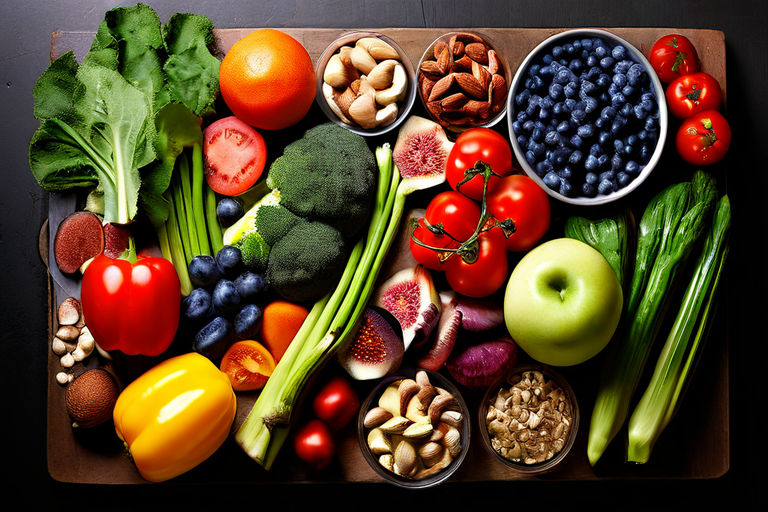
When it comes to weight loss, calorie counting can be a powerful tool. However, not all calories are created equal. By focusing on low-calorie, nutrient-dense foods, you can create a calorie deficit while nourishing your body with essential vitamins, minerals, and fiber.
Leafy greens, such as spinach, kale, and arugula, are among the best low-calorie foods for weight loss. These nutrient-powerhouses are loaded with vitamins, minerals, and antioxidants, yet they contain very few calories per serving. Additionally, their high fiber content can help you feel full and satisfied, reducing the temptation to overeat.
Cruciferous vegetables like broccoli, cauliflower, and Brussels sprouts are also excellent low-calorie options. Not only are they low in calories, but they also contain compounds that may help regulate metabolism and promote fat burning.
Berries, such as strawberries, blueberries, and raspberries, are another fantastic low-calorie food choice. These sweet and juicy fruits are packed with antioxidants, fiber, and natural sweetness, making them a satisfying and nutritious snack or dessert option.
When it comes to protein sources, lean options like grilled chicken breast, turkey, and fish are among the best low-calorie choices. These foods are high in protein, which can help you feel fuller for longer, while being relatively low in calories and fat.
Legumes, such as lentils, chickpeas, and black beans, are also excellent low-calorie protein sources. They are high in fiber and provide a range of essential vitamins and minerals.
For those looking to incorporate more whole grains into their diet, quinoa, brown rice, and air-popped popcorn are excellent low-calorie options. These complex carbohydrates provide lasting energy and a good dose of fiber, helping you feel satisfied without consuming excessive calories.
When it comes to healthy fats, avocados and nuts are among the best low-calorie choices. While these foods are higher in calories than some other options, they are also nutrient-dense and can help promote feelings of fullness and satiety, reducing the risk of overeating.
Staying hydrated is also crucial for weight loss, and water is the ultimate low-calorie beverage. In addition to aiding in digestion and preventing dehydration, drinking plenty of water can help curb hunger pangs and prevent mindless snacking.
It’s important to remember that while low-calorie foods can be an excellent tool for weight loss, they should be combined with a balanced diet and regular physical activity for optimal results. By incorporating a variety of nutrient-dense, low-calorie foods into your meals and snacks, you can create a sustainable and enjoyable approach to weight loss that nourishes your body and promotes overall health.
How can I make healthier food choices when eating out?

Eating out can be a significant challenge when trying to lose weight or maintain a healthy lifestyle. Restaurant meals are often loaded with hidden calories, unhealthy fats, and excessive portions. However, with a few simple strategies, you can navigate the menu and make healthier food choices while still enjoying the dining experience.
Before heading to the restaurant, take a look at the menu online and plan your meal in advance. This will help you avoid impulsive decisions and make more mindful choices. Look for dishes that feature lean proteins, vegetables, and whole grains, and try to steer clear of fried or creamy dishes.
When ordering, don’t be afraid to ask for modifications or substitutions. Request that your entrée be prepared with minimal oil or butter, and ask for sauces and dressings to be served on the side so you can control the portion size.
If the portion sizes at the restaurant are notoriously large, consider splitting an entrée with a dining companion or asking for a to-go box at the beginning of the meal. This way, you can box up half of your meal before you start eating, ensuring you don’t overindulge.
When it comes to appetizers, opt for healthier options like a side salad or a vegetable-based dish. Avoid fried starters, such as mozzarella sticks or chicken wings, as these can quickly derail your healthy eating efforts.
Beverages can also be a hidden source of excess calories when dining out. Instead of sugary sodas or alcoholic beverages, stick to water, unsweetened iced tea, or coffee. If you do indulge in an alcoholic drink, opt for a light beer or a glass of wine instead of sugary cocktails.
When it comes to dessert, practice portion control. Consider sharing a dessert with your dining companions or opting for a fresh fruit plate instead of indulgent treats like cakes or pies.
Remember, eating out doesn’t have to be an all-or-nothing proposition. By making smart choices and exercising moderation, you can enjoy a restaurant meal while still staying on track with your weight loss goals.
If you find yourself struggling to make healthy choices at a particular restaurant, don’t be afraid to speak up or ask for alternative options. Many establishments are becoming more accommodating to dietary needs and preferences, so don’t hesitate to request modifications or substitutions.
Ultimately, the key to making healthier food choices when eating out is to be mindful, plan ahead, and exercise portion control. By following these simple strategies, you can enjoy the dining experience while still prioritizing your health and weight loss goals.
How can I use healthy snacks to support my weight loss efforts?
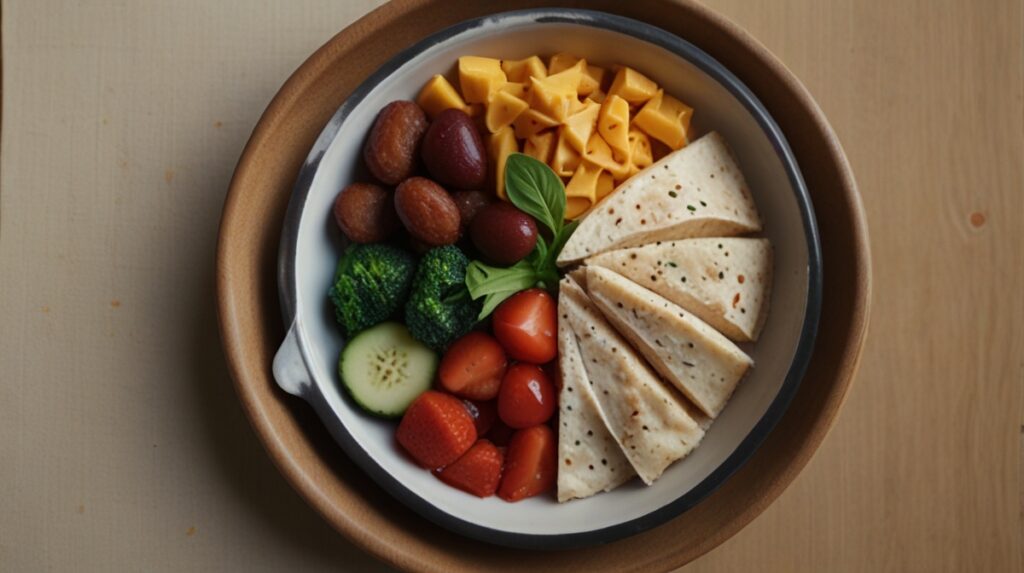
Snacking can be a double-edged sword when it comes to weight loss. On one hand, healthy snacks can help curb hunger and prevent overeating at mealtimes. On the other hand, mindless snacking on calorie-dense foods can quickly sabotage your efforts. The key lies in making smart snack choices that support your weight loss goals while providing essential nutrients.
One of the best ways to incorporate healthy snacks into your weight loss journey is to plan ahead. Take some time each week to prepare portioned snacks that you can grab on-the-go. This could include pre-portioned servings of nuts, fresh fruit, or vegetable sticks with hummus or guacamole.
When it comes to nutrient-dense snack options, Greek yogurt is a powerhouse. Not only is it high in protein, which can help you feel fuller for longer, but it’s also a good source of calcium and probiotics. Top your yogurt with fresh berries or a sprinkle of nuts for added fiber and healthy fats.
Hard-boiled eggs are another excellent snack choice for weight loss. They’re high in protein and relatively low in calories, making them a satisfying and nutritious option. You can prepare a batch of hard-boiled eggs at the beginning of the week and grab one or two as a quick snack when hunger strikes.
For a crunchy and fiber-rich snack, air-popped popcorn is a great option. Look for varieties that are free from added salt, butter, or other unhealthy toppings. You can also experiment with seasoning your popcorn with herbs and spices for added flavor.
Smoothies can be a fantastic snack or meal replacement option, but it’s important to make them with the right ingredients. Focus on including nutrient-dense foods like spinach, kale, berries, and Greek yogurt, and avoid adding excessive amounts of fruit juice or sweeteners.
When it comes to snacking, portion control is key. Even healthy snacks can contribute to excess calorie intake if consumed in large quantities. Use measuring cups or pre-portioned containers to ensure you’re sticking to appropriate serving sizes.
Staying hydrated is also important when it comes to snacking. Sometimes, our bodies can mistake thirst for hunger, leading to unnecessary snacking. Make sure to drink plenty of water throughout the day to avoid confusing these signals.
It’s also important to pay attention to your hunger and fullness cues. If you’re truly hungry, reach for a healthy snack. But if you find yourself mindlessly snacking out of boredom or habit, try engaging in an activity or drinking a glass of water instead.
By incorporating nutrient-dense, portion-controlled snacks into your daily routine, you can support your weight loss efforts while providing your body with the energy and nutrients it needs to function optimally. Remember, snacking should be a complement to a balanced diet, not a replacement for nutritious meals.
What role does fiber play in weight loss, and how can I increase my fiber intake?

When it comes to weight loss, fiber is an often overlooked but crucial component of a successful approach. Fiber not only supports digestive health but also plays a vital role in promoting feelings of fullness and regulating appetite, making it an essential ally in your weight loss journey.
Fiber is a type of carbohydrate that the body cannot break down, which means it passes through the digestive system largely intact. This property makes fiber incredibly beneficial for weight loss, as it adds bulk to your meals and promotes a feeling of satiety, potentially reducing the temptation to overeat.
There are two main types of fiber: soluble and insoluble. Soluble fiber dissolves in water and forms a gel-like substance in the digestive tract, slowing down the absorption of nutrients and providing a prolonged feeling of fullness. Insoluble fiber, on the other hand, adds bulk to the stool and promotes regular bowel movements, aiding in digestive health.
One of the best sources of fiber is fruits and vegetables. Aim to include a variety of colorful produce in your meals and snacks, such as berries, apples, pears, leafy greens, broccoli, and carrots. These foods are not only high in fiber but also provide a wealth of essential vitamins, minerals, and antioxidants.
Whole grains are another excellent source of fiber. Replace refined grains like white bread and pasta with whole-grain alternatives such as quinoa, brown rice, whole-wheat bread, and oats. These foods are rich in both soluble and insoluble fiber, promoting feelings of fullness and supporting digestive health.
Legumes, including lentils, chickpeas, and black beans, are often overlooked but are true fiber powerhouses. They contain high amounts of both soluble and insoluble fiber, as well as protein and other essential nutrients. Incorporate legumes into your meals by adding them to salads, soups, or vegetarian dishes.
Nuts and seeds are also good sources of fiber, in addition to providing healthy fats and plant-based protein. Snack on a handful of almonds, pumpkin seeds, or flaxseeds to boost your fiber intake and promote feelings of satiety.
It’s important to note that increasing your fiber intake too quickly can lead to digestive discomfort, such as bloating or gas. Introduce high-fiber foods gradually and remember to drink plenty of water to help the fiber move through your system smoothly.
By incorporating a variety of fiber-rich foods into your diet, you’ll not only support your weight loss efforts but also promote overall digestive health, regulate blood sugar levels, and potentially reduce the risk of certain chronic diseases. Fiber is truly a nutritional superhero, and its role in weight loss cannot be overstated.
How can I balance my macronutrients (protein, carbs, and fats) for effective weight loss?

When it comes to weight loss, many people focus solely on calorie counting, but the macronutrient composition of your diet also plays a crucial role. Macronutrients – protein, carbohydrates, and fats – are the building blocks of a healthy diet, and balancing them properly can optimize your weight loss efforts while ensuring you’re getting the nutrients your body needs.
Protein is essential for weight loss as it helps preserve lean muscle mass, boosts metabolism, and promotes feelings of fullness. Aim to include a source of lean protein in every meal, such as chicken, fish, eggs, legumes, or low-fat dairy products. The recommended daily intake of protein for weight loss is around 0.5-0.8 grams per pound of body weight.
Carbohydrates are often vilified in weight loss diets, but they are an important source of energy and nutrients. The key is to focus on complex carbohydrates from whole, unprocessed sources like fruits, vegetables, whole grains, and legumes. These foods are high in fiber, which can help you feel full and satisfied while providing essential vitamins, minerals, and antioxidants.
Fats are also an important part of a balanced diet, but it’s crucial to choose the right types. Opt for healthy unsaturated fats found in foods like avocados, nuts, seeds, fatty fish, and olive oil. These fats can help promote satiety, support nutrient absorption, and provide essential fatty acids that the body cannot produce on its own.
When it comes to balancing macronutrients, there is no one-size-fits-all approach. The optimal macronutrient ratio will depend on your individual goals, preferences, and lifestyle factors. However, a general guideline for weight loss is to aim for a moderate-to-high protein intake (20-30% of total calories), a moderate amount of healthy fats (20-30% of total calories), and the remaining calories from complex carbohydrates.
It’s also important to consider the timing of your macronutrient intake. For example, consuming a combination of protein and fiber-rich carbohydrates at each meal can help you feel fuller for longer and prevent overeating later in the day.
Tracking your macronutrient intake can be helpful, especially in the beginning stages of your weight loss journey. There are various apps and online tools available that can help you calculate your personal macronutrient needs based on your age, gender, activity level, and weight loss goals.
Remember, while macronutrient balance is important, it’s also crucial to focus on overall calorie intake. Creating a calorie deficit is still the primary driver of weight loss, so be mindful of portion sizes and avoid consuming too many calories, even from healthy sources.
Experiment with different macronutrient ratios and listen to your body’s signals. Some individuals may thrive on a higher-protein, lower-carb approach, while others may feel their best with a more balanced distribution of macronutrients.
By finding the right balance of protein, carbohydrates, and healthy fats, you’ll not only support your weight loss efforts but also provide your body with the nutrients it needs for optimal health and energy levels. Remember, a sustainable and enjoyable approach is key to long-term success.
How can I incorporate healthy fats into my diet for weight loss?

For years, the word “fat” has been demonized in the world of weight loss, but the truth is that healthy fats are an essential part of a balanced diet. Not only do they provide essential nutrients and promote satiety, but they can also support weight loss efforts when consumed in moderation.
Healthy fats are primarily found in plant-based sources like nuts, seeds, avocados, and olive oil, as well as in fatty fish like salmon and mackerel. These fats are rich in monounsaturated and polyunsaturated fatty acids, which have been shown to have numerous health benefits, including improving heart health, reducing inflammation, and supporting brain function.
One of the key benefits of incorporating healthy fats into your diet for weight loss is their ability to promote feelings of fullness and satisfaction. Unlike refined carbohydrates or sugary snacks, which can leave you feeling hungry shortly after consuming them, healthy fats take longer to digest, leading to a prolonged feeling of satiety.
Additionally, healthy fats can help regulate blood sugar levels and insulin sensitivity, which can be particularly beneficial for those with insulin resistance or metabolic conditions that can make weight loss more challenging.
When incorporating healthy fats into your diet, it’s important to focus on portion control. While these fats are nutrient-dense and can support weight loss efforts, they are also calorie-dense, which means consuming too much can lead to weight gain.
A good rule of thumb is to aim for a moderate intake of healthy fats, around 20-30% of your total daily calorie intake. This can look like adding a small handful of nuts or seeds to your meals or snacks, drizzling a tablespoon of olive oil over your salad or roasted vegetables, or incorporating avocado into your meal prep.
It’s also important to be mindful of the types of fats you’re consuming. While healthy fats from plant-based sources and fatty fish are encouraged, it’s best to limit your intake of saturated fats from sources like fatty cuts of meat, full-fat dairy products, and fried foods.
In addition to their satiating properties, healthy fats can also aid in the absorption of fat-soluble vitamins like vitamins A, D, E, and K, which are essential for various bodily functions and overall health.
When incorporating healthy fats into your diet, be sure to balance them with other nutrient-dense foods like lean proteins, whole grains, and plenty of fruits and vegetables. This will not only provide you with a well-rounded, satisfying diet but also ensure that you’re meeting your daily nutrient needs.
By embracing healthy fats as part of a balanced diet, you can support your weight loss efforts while also promoting overall health and well being.
One of the easiest ways to incorporate healthy fats into your diet is by making simple swaps and additions to your meals and snacks. For example, instead of using butter or margarine when cooking, opt for a drizzle of olive oil or a small amount of avocado oil. You can also add a sprinkle of nuts or seeds to your salads, yogurt, or oatmeal for a boost of healthy fats and crunch.
When it comes to snacking, healthy fats can be a game-changer. Instead of reaching for processed, high-carb snacks, opt for a small handful of mixed nuts, a few slices of avocado with a sprinkle of sea salt, or a tablespoon of nut butter with fresh fruit or whole-grain crackers.
It’s important to remember that healthy fats should be consumed in moderation as part of a balanced diet. While they can support weight loss efforts, overconsumption can lead to calorie surplus and potential weight gain. As with any aspect of your diet, portion control and mindful eating are key.
Another tip for incorporating healthy fats is to pay attention to food labels and ingredient lists. Opt for products that list healthy fats like olive oil, avocado oil, or nut oils as ingredients, and avoid those with excessive amounts of saturated or trans fats.
When dining out, be mindful of hidden sources of unhealthy fats in restaurant meals. Ask for dressings and sauces on the side, and opt for dishes that are grilled, baked, or steamed rather than fried. You can also request substitutions, such as swapping out the butter or oil used for cooking with a healthier alternative like olive oil or avocado.
It’s also worth noting that not all fats are created equal. While healthy fats from plant-based sources and fatty fish are encouraged, it’s best to limit your intake of saturated fats from sources like fatty cuts of meat, full-fat dairy products, and processed foods.
By making smart choices and incorporating a variety of healthy fats into your diet, you can not only support your weight loss efforts but also reap the numerous health benefits these fats have to offer, including improved heart health, better brain function, and reduced inflammation.
Remember, weight loss is a journey, and finding a sustainable approach that works for your individual needs and preferences is key. By embracing healthy fats as part of a balanced diet, you can enjoy delicious, satisfying meals while making progress toward your weight loss goals.
In addition to incorporating healthy fats, it’s important to focus on other aspects of a well-rounded, nutrient-dense diet. This includes consuming adequate amounts of lean protein, complex carbohydrates from whole, unprocessed sources, and plenty of fruits and vegetables.
Ultimately, the key to successful weight loss lies in creating a calorie deficit through a combination of a balanced diet and regular physical activity. By making healthy fats a part of your overall approach, you can not only support your weight loss efforts but also promote overall health and well-being.
How can I make healthy food choices while on a budget?

Achieving a healthy, balanced diet can sometimes feel like a financial burden, but with some smart strategies, it’s possible to make nutritious food choices while sticking to a budget. Contrary to popular belief, eating well doesn’t have to break the bank.
One of the best ways to save money on healthy foods is to plan your meals in advance and create a grocery list. This not only helps you avoid impulsive purchases but also allows you to take advantage of sales and bulk discounts on items like grains, frozen fruits and vegetables, and lean proteins.
Another cost-saving strategy is to purchase in-season produce. Not only is it typically more affordable, but it’s also fresher and more flavorful. Consider visiting local farmers’ markets or joining a community-supported agriculture (CSA) program to access a variety of seasonal produce at a lower cost.
Frozen fruits and vegetables are often overlooked but can be a budget-friendly and nutritious option. They’re typically frozen at peak ripeness, locking in their nutrients, and can be a convenient alternative to fresh produce when certain items are out of season or expensive.
Beans, lentils, and other legumes are an excellent source of plant-based protein and fiber, and they’re incredibly affordable. Stock up on these pantry staples and incorporate them into soups, stews, salads, and veggie-based dishes to stretch your grocery budget further.
When it comes to protein sources, consider more budget-friendly options like eggs, canned tuna or salmon, and chicken thighs or drumsticks. These items are often less expensive than premium cuts of meat or fish but can still provide high-quality protein when incorporated into a balanced diet.
Bulk bins can be a treasure trove for affordable whole grains, nuts, seeds, and dried fruits. Not only can you purchase exactly the amount you need, but you’ll also save money by avoiding pre-packaged items with added costs.
Don’t overlook the power of leftovers and meal prepping. Cooking larger batches of meals and portioning them out for the week can help you save time and money while ensuring you have healthy options on hand.
When dining out, look for budget-friendly options like sharing an entrée with a friend or opting for lunch specials or early bird deals, which can often provide more affordable pricing without sacrificing quality.
Remember, eating healthy on a budget is not about deprivation but rather about making mindful choices and prioritizing nutrient-dense, whole foods. By incorporating these strategies into your routine, you can nourish your body while staying within your financial means.
How can I make healthy eating a sustainable lifestyle change?
Embarking on a journey towards healthier eating habits can be an exciting and rewarding endeavor, but sustaining these changes over the long term can be a challenge. Many people find themselves falling back into old patterns or losing motivation, which can undermine their progress and overall well-being.
The key to making healthy eating a sustainable lifestyle change lies in adopting a mindset shift. Instead of viewing it as a temporary diet or a means to an end, it’s important to embrace it as a holistic approach to nourishing your body and promoting overall well-being.
One of the most effective strategies is to start small and make gradual changes. Overwhelming yourself with too many drastic changes at once can lead to burnout and disillusionment. Begin by introducing one or two healthy habits at a time, such as increasing your water intake or adding more vegetables to your meals.
Another crucial aspect is finding enjoyment and satisfaction in the foods you consume. Instead of viewing healthy eating as a sacrifice or a chore, explore new recipes, experiment with different flavors and cuisines, and rediscover the joy of cooking and eating wholesome, nourishing meals.
Involving your loved ones in the process can also help make healthy eating a sustainable lifestyle change. Cook together, share recipes, and support each other’s efforts. This not only fosters a sense of community but also creates an environment that encourages and reinforces positive habits.
It’s also important to be flexible and allow for moderation. Depriving yourself of your favorite treats or adopting an overly restrictive approach can lead to feelings of deprivation and ultimately undermine your efforts. Instead, practice mindful indulgence and savor small portions of the foods you enjoy in moderation.
Incorporating physical activity into your routine is another essential component of a sustainable healthy lifestyle. Exercise not only supports weight management and overall physical health but can also boost mental well-being and increase motivation for making healthy choices.
Seeking support and accountability can also be invaluable. Whether it’s joining a cooking class, participating in a virtual support group, or enlisting the help of a registered dietitian or health coach, having a supportive network can provide encouragement, guidance, and motivation.
Remember to be patient and kind to yourself throughout the process. Sustainable lifestyle changes take time, and there may be setbacks or challenges along the way. Rather than berating yourself for occasional slip-ups, embrace them as opportunities for learning and growth, and recommit to your goals with a renewed sense of determination.
It’s also important to celebrate your successes, no matter how small they may seem. Acknowledging and recognizing your progress can help reinforce positive behaviors and motivate you to continue on your journey towards a healthier lifestyle.
Another key aspect of making healthy eating a sustainable lifestyle change is to continually educate yourself. Stay informed about the latest nutritional research, trends, and recommendations, but also be discerning and rely on reputable sources rather than fads or unsubstantiated claims.
Consider keeping a food journal or using a tracking app to gain insights into your eating habits, identify areas for improvement, and monitor your progress over time. This can help you stay accountable and make more informed decisions about your dietary choices.
Remember that healthy eating is not a one-size-fits-all approach. What works for one person may not work for another, and it’s essential to tailor your choices to your individual preferences, dietary needs, and lifestyle factors.
Embrace the concept of mindful eating, which involves being present and attentive during mealtimes, savoring each bite, and listening to your body’s hunger and fullness cues. This practice can help you develop a more intuitive and respectful relationship with food.
Don’t be afraid to seek professional guidance if you find yourself struggling or facing specific health challenges. Registered dietitians, nutritionists, and other healthcare professionals can provide personalized advice and support to help you navigate your journey towards a healthier lifestyle.
Remember that setbacks and challenges are a natural part of the process. Rather than viewing them as failures, use them as opportunities to reflect, reassess your approach, and make adjustments as needed.
Surround yourself with a supportive environment that encourages and reinforces your healthy eating habits. This might involve reorganizing your kitchen to make healthy options more accessible, or joining a community group or online forum dedicated to healthy living.
Finally, be kind and compassionate towards yourself. Sustainable lifestyle changes are a lifelong journey, and there will be times when you may falter or deviate from your goals. Embrace a growth mindset, learn from your experiences, and recommit to your journey with renewed resilience and determination.
By adopting a holistic and sustainable approach to healthy eating, you’ll not only nourish your body but also cultivate a deeper appreciation for the joy and satisfaction that comes from nourishing yourself with whole, nutrient-dense foods.
What role does exercise play in weight loss, and how can I incorporate it into my routine?

While a nutritious diet is the foundation of any successful weight loss journey, incorporating regular exercise is an essential component that can amplify your results and support overall health and well-being. Exercise not only burns calories but also builds lean muscle mass, boosts metabolism, and improves cardiovascular health.
When it comes to weight loss, a combination of cardio and strength training is often recommended. Cardiovascular exercises, such as brisk walking, running, cycling, or swimming, can help create a calorie deficit by burning a significant number of calories during and after your workout.
Strength training, on the other hand, is crucial for building and preserving lean muscle mass. As you lose weight, it’s essential to maintain and even increase your muscle mass, as this helps boost your metabolism and ensure that you’re losing fat rather than muscle. Resistance training with weights, resistance bands, or even bodyweight exercises can help achieve this goal.
When starting an exercise routine, it’s important to set realistic and achievable goals. Begin with manageable durations and intensities, and gradually increase as your fitness level improves. Consistency is key, so aim for at least 150 minutes of moderate-intensity aerobic activity or 75 minutes of vigorous aerobic activity per week, combined with two or more sessions of strength training.
To stay motivated and engaged, consider trying different types of exercise and varying your routine. This can prevent boredom and keep your body challenged. Explore activities like hiking, dancing, team sports, or group fitness classes to find activities you genuinely enjoy.
It’s also essential to listen to your body and allow for rest and recovery. Overtraining can lead to injury, burnout, and diminished results. Incorporate active recovery days, such as gentle stretching, yoga, or light walking, to give your muscles time to repair and rebuild.
In addition to the physical benefits, exercise can also have a profound impact on your mental and emotional well-being. Regular physical activity has been shown to reduce stress, improve mood, and boost self-confidence, all of which can contribute to a more positive and sustainable approach to weight loss.
If you’re new to exercise or have any underlying health conditions, it’s always a good idea to consult with a healthcare professional or certified personal trainer to develop a safe and effective exercise plan tailored to your individual needs and abilities.
Remember, weight loss is a journey, and incorporating exercise into your routine is a powerful tool that can support your goals while promoting overall health and well-being. By finding activities you enjoy and making them a consistent part of your lifestyle, you’ll not only achieve your desired results but also cultivate a sense of empowerment and accomplishment.
Ultimately, the key to successful weight loss lies in a holistic approach that combines a balanced, nutrient-dense diet with regular physical activity and a commitment to sustainable lifestyle changes. By embracing exercise as an integral part of this journey, you’ll unlock a world of benefits that extend far beyond the scale.
Summary table
| Topic | Key Points |
|---|---|
| Best Foods for Weight Loss | Lean proteins like chicken, fish, and legumes Fruits and vegetables, especially leafy greens and berries Whole grains like quinoa and brown rice Healthy fats like avocados, nuts, and fatty fish |
| Increasing Protein Intake | Include lean protein sources in every meal Use plant-based proteins like legumes and protein powder Snack on high-protein options like Greek yogurt and nuts |
| Low-Calorie Foods | Leafy greens, cruciferous vegetables, and berries Lean proteins like grilled chicken and fish Legumes, quinoa, and air-popped popcorn |
| Healthy Eating Out | Plan ahead and check the menu online Request modifications and substitutions Practice portion control and share dishes |
| Healthy Snacks | Greek yogurt with berries and nuts Hard-boiled eggs Air-popped popcorn Smoothies with nutrient-dense ingredients |
| Role of Fiber | Promotes feelings of fullness Supports digestive health Good sources: fruits, vegetables, whole grains, legumes |
| Macronutrient Balance | Moderate-to-high protein intake (20-30% of calories) Healthy fats (20-30% of calories) Complex carbs from whole, unprocessed sources |
| Healthy Fats | Promote satiety and nutrient absorption Good sources: avocados, nuts, seeds, fatty fish Practice portion control |
| Eating on a Budget | Plan meals and shop with a list Buy in-season produce and frozen fruits/veggies Utilize beans, lentils, and budget-friendly proteins |
| Sustainable Healthy Eating | Start small and make gradual changes Find enjoyment in healthy foods Be patient and celebrate progress |
| Exercise for Weight Loss | Combine cardio and strength training Aim for 150-300 minutes of activity per week Find enjoyable activities and allow for recovery |
Key Areas For Consideration

1. Mindset and Lifestyle Changes
Weight loss is not just about changing your diet – it’s also about adopting a healthier mindset and lifestyle. You can explore strategies for developing a positive relationship with food, cultivating self-compassion, and finding sustainable ways to incorporate healthy habits into daily life.
2. Emotional Eating and Stress Management
Many people struggle with emotional eating or using food as a coping mechanism for stress. You must consider recognizing and addressing emotional eating patterns, as well as healthy stress management techniques that can support weight loss efforts.
3. Overcoming Plateaus and Setbacks
Weight loss journeys are rarely linear, and it’s common to experience plateaus or setbacks along the way. Identifying and overcoming plateaus, such as reassessing calorie needs, mixing up exercise routines, or addressing potential medical or hormonal factors.
4. Meal Planning and Prep Tips
Effective meal planning and preparation can be game-changers for successful weight loss. This include practical tips for creating balanced meal plans, batch cooking and meal prepping, and making healthy choices when short on time or on-the-go.
5. Supplements and Superfoods
While a balanced diet should provide most of the nutrients needed for weight loss, some individuals may benefit from incorporating certain supplements or superfoods into their routine.
6. Family and Social Support
Making lifestyle changes can be challenging, especially when navigating social situations or family dynamics. Enlisting the support of loved ones, handling peer pressure or unsolicited advice, and creating a supportive environment that promotes healthy habits.
7. Self-Monitoring and Tracking Progress
Regular self-monitoring and tracking progress can be powerful tools for maintaining motivation and accountability on a weight loss journey. You could explore various methods for tracking progress, such as using apps, journaling, or taking progress photos, and provide guidance on setting realistic and achievable goals.
FAQ
Q1: What are some quick and easy healthy snack options?
Some great options include fresh fruits like apples or bananas, Greek yogurt with berries, a handful of nuts or seeds, hummus with vegetable sticks, or a small portion of air-popped popcorn.
Q2: How can I make healthier choices when dining out?
Look for dishes that feature lean proteins, vegetables, and whole grains. Request sauces and dressings on the side, and don’t be afraid to ask for modifications or substitutions. Practice portion control and consider sharing an entrée.
Q3: What role does exercise play in weight loss?
Exercise is an essential component of weight loss. It not only burns calories but also builds lean muscle mass, boosts metabolism, and supports overall health. A combination of cardio and strength training is recommended.
Q4: Can I still enjoy treats while trying to lose weight?
Yes, moderation is key. Practice mindful indulgence and savor small portions of your favorite treats occasionally. Depriving yourself completely can lead to feelings of deprivation and undermine your efforts.
Q5: How can I stay motivated on my weight loss journey?
Find enjoyment in healthy foods and activities, celebrate small victories, enlist the support of loved ones, and be patient with yourself. Sustainable lifestyle changes take time, and setbacks are normal – use them as opportunities for growth.
Q6: What are some tips for incorporating more fiber into my diet?
Focus on eating plenty of fruits, vegetables, whole grains, and legumes. Swap refined grains for whole-grain alternatives, and include high-fiber snacks like nuts, seeds, or popcorn.
Q7: How can I make healthy eating more affordable?
Plan meals in advance, buy in-season produce, utilize frozen fruits and veggies, stock up on affordable protein sources like eggs and beans, and take advantage of bulk bins for grains, nuts, and seeds.
Conclusion
Achieving sustainable weight loss and maintaining a healthy lifestyle is a journey that requires a multifaceted approach. While nutrition and exercise are essential components, it’s also crucial to address the psychological, emotional, and social aspects that can impact our relationship with food and our overall well-being.
By incorporating the key areas outlined above, this article can provide a truly comprehensive resource for individuals seeking to embark on or continue their weight loss journey. It’s important to remember that weight loss is a highly individualized process, and what works for one person may not work for another. As such, it’s essential to approach this journey with self-compassion, patience, and a willingness to adapt and adjust as needed.
Ultimately, the goal should be to cultivate a sustainable, enjoyable, and holistic approach to healthy living – one that nourishes the body, mind, and spirit. By embracing this mindset and equipping ourselves with the knowledge and tools necessary for success, we can unlock the path to lasting weight loss and overall well-being.
Leave a Reply